The Hidden Costs of Buying Property Abroad
By Françoise Pollard & Keith Goldson · Keith & Françoise Real Estate Team, eXp Realty · GTA & Niagara Region
Every year, Ontario homeowners approaching retirement ask a version of the same question: should I sell, take my equity, and buy something in a warmer country? Buying property abroad sounds straightforward. In practice it pulls in financing, tax reporting, construction standards, property management, and estate planning that most buyers never fully work through before committing.
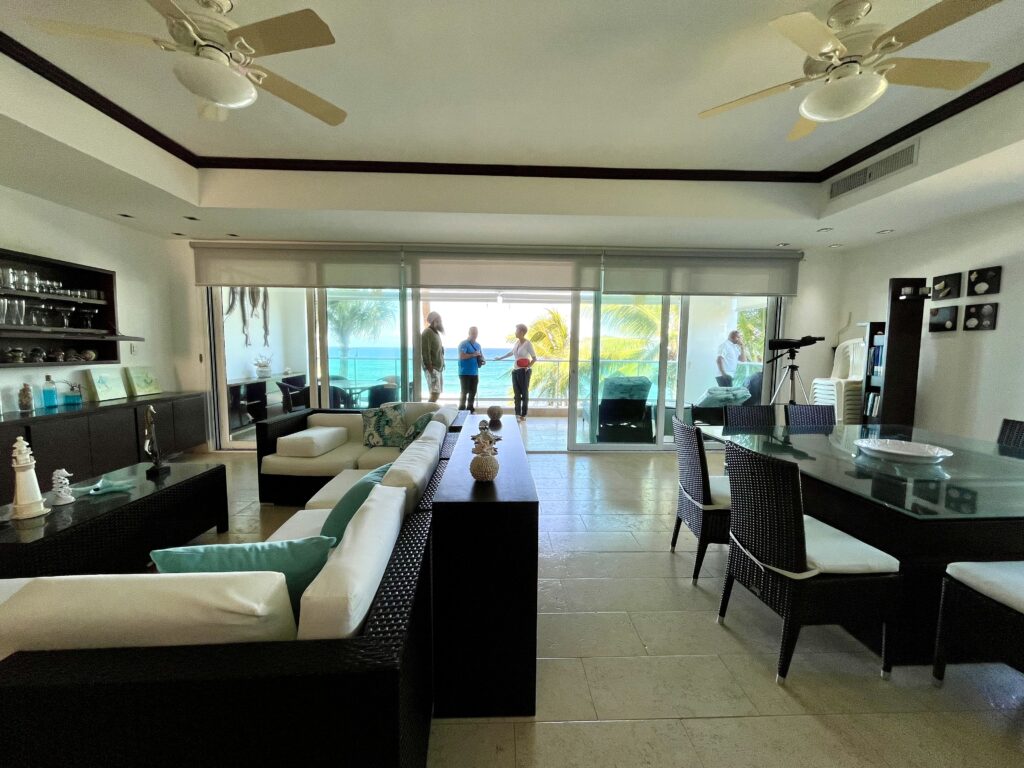
Keith and I went through this ourselves. Two years ago we toured properties in Puerto Plata, Dominican Republic, as serious buyers, not tourists. What we saw and learned shaped how we talk with our downsizing clients about this decision, and why we came home without buying anything.
This is not a warning against buying property abroad as a Canadian. Some people make it work well. It is an honest look at the questions most vacation property brochures will not raise.
Why Ontario Homeowners Consider Buying Abroad
For a lot of people, buying property abroad as a Canadian starts with appealing math. Sell a GTA home worth $1.2 million, pocket significant equity, buy something smaller locally, and put the remainder toward a place in Portugal, Mexico, or the Caribbean that you can enjoy for a few months a year and rent out the rest of the time.
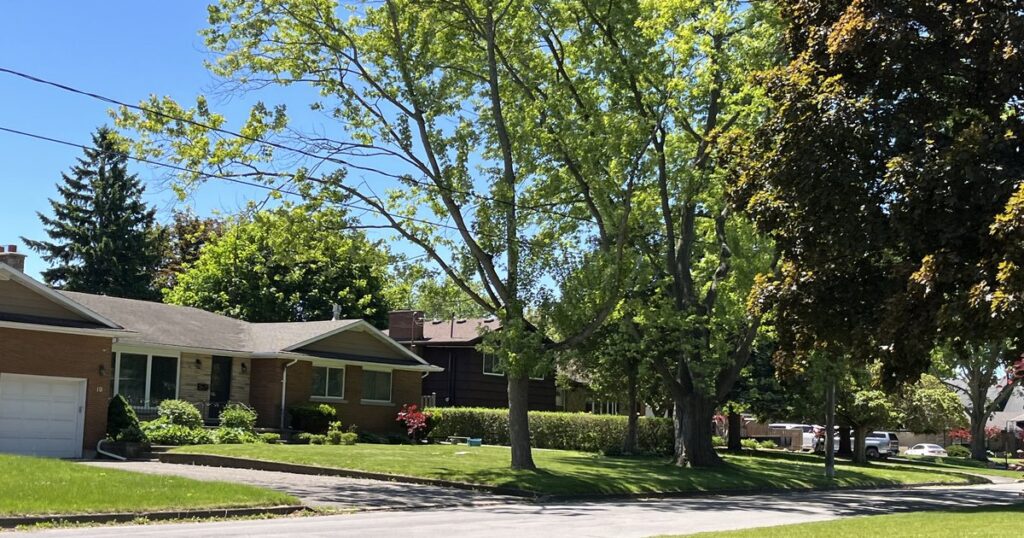
For clients who have built real equity in their GTA or Niagara home, this question comes up regularly. For many of them, the honest comparison is between a property abroad and downsizing closer to home, or relocating within Ontario to a more affordable market like Niagara. The answer depends almost entirely on how honestly you stress-test the numbers and the logistics before you fall in love with a property on a tour.
What We Saw in Puerto Plata
We toured condos, beachfront homes, bungalows, and pre-construction builds priced in USD from roughly $400,000 to $600,000. Some were excellent. But across much of what we were shown, the construction quality fell below what an Ontario buyer would accept, and the safeguards we rely on here, home inspections, the permit process, and enforcement, did not exist in the same form.
This is not unique to the Dominican Republic, and the lesson is not never buy abroad. It is never to assume that the regulatory environment you know here follows you there.
Financing as a Canadian Buyer Abroad
Many Canadian buyers assume financing abroad is impossible. It usually is not, but the terms are far less favourable than at home. In the Dominican Republic, Scotiabank runs a non-resident mortgage program open to Canadian, American, and British buyers. Down payments for foreign purchasers typically run 30% to 40% of the price, and some banks ask for more. Rates on foreign-currency mortgages sit well above current Canadian rates, and the process is slower and far more document-heavy than a mortgage here.
In many other countries the options are thinner still, and a lot of Canadian buyers end up drawing on a home equity line of credit against their Canadian home to buy abroad in cash. That decision deserves a real conversation with your mortgage broker before you assume anything.
The Real Numbers Behind Vacation Rental Income
Rental income is often central to the financial case for buying property abroad. The gross yield figures quoted by developers and local agents can look attractive. The net return after real ownership costs tells a different story.
In tourist markets across the Caribbean and Southern Europe, short-term management fees typically run 15% to 25% of rental revenue, before condo or HOA fees, insurance, and maintenance. Tropical heat and humidity wear a property down fast, and low-season vacancy widens the gap between the yields developers advertise and what owners actually net. For many buyers, renting a vacation property a few weeks a year costs far less than owning and managing one from thousands of kilometres away. Do that comparison honestly before you commit.
What Happens to That Property When You Pass Away
When you own property in another country, your estate falls under that country’s laws, not Ontario’s. Your heirs have to work through the local legal system, in the local language, often with a local notary or lawyer, to transfer or sell it, which can be slow, costly, and hard to manage from Canada. Many Canadians eventually sell overseas property for exactly this reason, to simplify their estate and spare their families the process. Bring your estate lawyer into this before you buy, not after.
Tax and CRA Reporting: What Canadian Owners Must Know
Tax is not our area, and we will not pretend otherwise. What we can tell you is that CRA has clear reporting rules for Canadians who own foreign property, and they differ depending on how you use it.
Personal Use vs. Rental: The Key Distinction
A foreign vacation home used exclusively for personal use may be exempt from T1135 reporting. The moment you rent it out, the property becomes specified foreign property. At that point, if your total specified foreign property exceeds $100,000 CAD in cost at any point during the year, you must file Form T1135 with CRA. Rental income earned abroad must be reported on your Canadian tax return. This applies regardless of whether you also pay tax in the country where the property is located. Any capital gain on an eventual sale must also be reported to CRA.
The penalties for non-compliance are meaningful, and CRA has stepped up its scrutiny of foreign assets in recent years. Official guidance is available directly at canada.ca. Before you decide anything, speak with a cross-border tax accountant who has current experience in the specific country you are considering, not a general accountant.
The Lawyer and Title Search Question
Every country has its own title and land registry system, and verifying clean title varies enormously by market. In the Dominican Republic, searches run through the Registro de Títulos by plot number, not owner name or address, and a certified search shows current ownership plus any liens, mortgages, court judgments, or restrictions. Understanding how that system works before you make an offer is not optional.
How to Find an Independent Lawyer Abroad
You need a local real estate lawyer who is completely independent of the developer or selling agent, found through a personal referral from someone who actually used them for a completed purchase in that country, not an introduction from the sales team. When we were in Puerto Plata, the local professionals we met showed us how differently the process runs from what Ontario buyers expect. Arriving with your own independent representation in place is not a formality. It is the single most important protection you have.
Buying Abroad Checklist
Have each of these in place before you sign anything.
Keith & Françoise
Our experience considering property abroad
Keith and I went to Puerto Plata two years ago genuinely open to buying, not on a sales tour but as buyers doing real due diligence. What we saw gave us pause. The construction defects were hard to ignore: uneven stair risers, paint that would not pass any Ontario standard, failed window caulking, and one pre-construction building where the foundation was poured for two storeys but three were being framed above it. In Ontario, you know what oversight looks like. There, you are trusting what you are shown.
When we ran the full picture, the non-resident mortgage terms, the management fees, the real net rental return, what it would mean for our estate, and paying full price in a currency that is not ours, it simply did not make financial sense for us. No regrets. What we tell clients now is simple: go with curiosity, not a signed offer, and take an independent local lawyer and a cross-border tax accountant into the decision before any money moves. The tour will make you want to buy. The numbers are what you sit with.
Keep Reading
Common Questions About Buying Property Abroad as a Canadian
Can Canadians buy property in another country?
Yes. Most countries permit foreign nationals to purchase property, though the rules, restrictions, and ownership structures vary significantly by jurisdiction. Some countries restrict foreign buyers to certain property types or geographic areas. Before purchasing anywhere abroad, verify current foreign ownership rules in that specific country with a local real estate lawyer who is independent of the selling agent or developer.
Do Canadians have to report foreign property to CRA?
It depends on how the property is used. A foreign vacation home used exclusively for personal use may be exempt from T1135 reporting. If you rent the property out, it becomes specified foreign property, and if your total specified foreign property exceeds $100,000 CAD in cost at any point in the year, you must file Form T1135 with CRA. Rental income earned abroad must always be reported on your Canadian tax return. Consult a cross-border tax accountant before purchasing.
Is buying a vacation property abroad financially worthwhile for Canadians?
It depends on the country, the property, how you plan to use it, and how honestly you calculate costs. Developers often advertise attractive gross rental yields, but short-term property management fees alone can run 15% to 25% of revenue in many markets, before maintenance, vacancy, and local taxes. For many buyers, renting a vacation property seasonally costs less overall than owning and managing one from a distance. Run the real numbers before you decide.
What happens to foreign property when a Canadian owner passes away?
The property falls under the laws of the country where it is located, not Ontario’s estate law. Your heirs must work through that country’s legal system to transfer or sell it. Resolution timelines can be significantly longer than anything your family would experience here, and the process can be costly and complicated when managed from Canada. Discuss this with your estate lawyer before you purchase.
How do you find a trustworthy real estate lawyer when buying property abroad?
Get a referral from someone who has personally completed a foreign property purchase in that specific country. Not a recommendation from the developer or selling agent. Your lawyer must be completely independent of the transaction. Independent legal representation from the start is the most important protection a Canadian buyer has in a foreign market, particularly in jurisdictions where resolution timelines can be significantly longer than in Ontario.
Buying property abroad isn’t simply a real estate decision. It’s a financial, legal, tax, and lifestyle decision. The more questions you ask before you buy, the fewer surprises you’ll face later.
Weighing your options after selling the family home?
We help GTA and Niagara homeowners think through what the right next move actually looks like, whether that means downsizing locally, relocating within Ontario, renting seasonally, or deciding not to buy abroad at all.
Talk to the TeamKeith & Françoise Real Estate Team
eXp Realty Brokerage · GTA & Niagara Region
Françoise Pollard, Realtor®, has been licensed since 2006. Keith Goldson, Broker, has been licensed since 2016. Together they bring about three decades of combined experience helping homeowners across the GTA and Niagara Region, including Mississauga, Oakville, Burlington, Etobicoke, Toronto, St Catharines, Niagara Falls, Welland, and Thorold. The team has earned the eXp ICON Award two years running. In 2025 they made their own GTA-to-Niagara move, selling their Vaughan family home and downsizing to St Catharines, so they advise downsizing clients from direct experience.
This post is for general informational purposes only and does not constitute financial, legal, or tax advice. Foreign property ownership involves complex cross-border tax obligations, legal requirements that vary by country, and estate planning considerations that depend on individual circumstances. CRA reporting rules for foreign property are fact-specific. Consult a licensed cross-border tax accountant and an independent local real estate lawyer with experience in the relevant jurisdiction before making any decisions. Françoise Pollard is a Realtor® and Keith Goldson is a Broker with the Keith & Françoise Real Estate Team, eXp Realty Brokerage, serving the GTA and Niagara Region.