

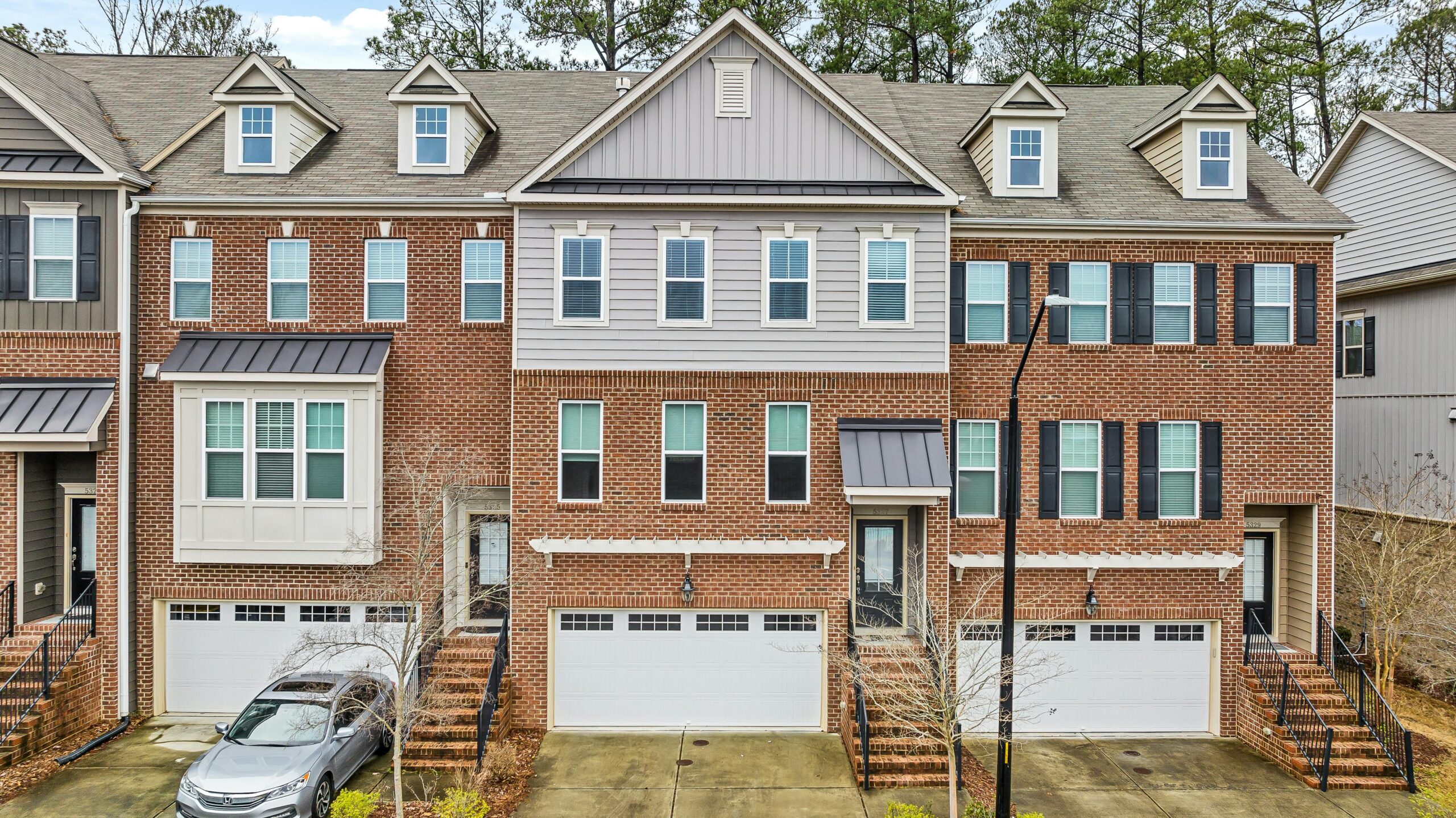
Selling a tenanted property in Ontario doesn’t end the tenancy. The tenant can stay, and the buyer takes over as landlord. The tenancy ends only if the tenant leaves under an N11 agreement or their own notice, or the Landlord and Tenant Board issues an eviction order. Neither an N11 nor an N12 guarantees the home will be empty on closing, so tenancy issues can delay or even sink a sale.
In our experience, the smoothest sales start with a conversation with the tenant before listing. Decide early whether you’re selling to an investor who keeps the tenant or to a buyer who needs the home empty. That choice sets your price, your timeline and your risk.
This article is part of our complete guide to leasing in Ontario. It goes deeper on selling a home with a tenant in it: your options, the notices, the timelines and the risks.
Can You Sell a Tenanted Property in Ontario?
Yes. You can list and sell a tenanted property in Ontario at any time, without the tenant’s permission. The sale doesn’t end the tenancy. Instead, the buyer becomes the new landlord and takes over the existing lease, including the rent and the landlord’s obligations.
The usual steps of a sale still apply, as our guide to selling a home in Ontario explains. What changes, then, is the buyer pool. Investors can buy with the tenant in place, while buyers who plan to live in the home need it empty on closing. So your first decision is which of those buyers you’re selling to.
Does a Tenant Have to Leave When You Sell a Tenanted Property?
No. When selling a tenanted property in Ontario, the tenant doesn’t have to leave just because the home is for sale. A tenancy in Ontario ends in only a few ways that matter here:
- An N11 agreement. The tenant agrees in writing to leave on a set date. If they don’t leave, an eviction order may still be needed.
- Voluntary departure following a valid purchaser N12. The notice starts the process. If the tenant stays, the landlord must obtain an eviction order.
- A Landlord and Tenant Board order. If the tenant doesn’t leave after a notice, only an eviction order can end the tenancy.
However, telling a tenant they have to go because the house is sold is not a valid notice. Our article on how residential leases end in Ontario covers every route in detail.
Should You Sell a Tenanted Property With the Tenant in Place?
It depends on who you expect to buy, how much time you have, and how much risk you can accept. Here’s how the two approaches compare when selling a tenanted property in Ontario.
Selling to an Investor With the Tenant in Place
An investor buys the property with the tenancy and keeps collecting rent, so there’s no N12 and no need for vacant possession. This works best when the tenant pays on time and cooperates with showings, and the rent is close to market. Investors run the numbers on the current rent, though, so a rent well below market usually lowers what they’ll pay.
Getting Vacant Possession for a Buyer Who Plans to Occupy the Home
By contrast, buyers who plan to live in the home usually need it empty on closing. A continuing tenancy can narrow the buyer pool, particularly when buyers need immediate occupancy. The trade-off is time and uncertainty. A purchaser N12 needs at least 60 days’ notice. If the tenant disputes it, the timeline depends on the Landlord and Tenant Board.
We’ve Seen This Play Out
We’re working with a family right now who want to sell a parent’s long-held investment property to help the next generation. The tenant has lived there for about a decade and has struggled to find an affordable place to move to. The family wants to move forward with the sale, while recognizing how difficult another move could be for a long-term tenant. That makes choosing the sale strategy more complicated, and in our experience this situation is becoming more common across Ontario as affordable rentals grow harder to find.
N11 vs N12: Which Is Better When Selling a Tenanted Property?
When selling a tenanted property in Ontario, neither option works best in every sale. An N11 depends on the tenant’s willingness to agree. A purchaser N12 depends on the buyer’s eligibility and enough time before closing. The right choice depends on the tenant’s wishes, the agreement of purchase and sale, eligibility and timing.
The N11: An Agreement to Leave
An N11 is a written agreement between you and the tenant to end the tenancy on a set date. It has no minimum notice period. A voluntary N11 establishes an agreed termination date, but it doesn’t guarantee vacant possession. If the tenant doesn’t leave, the landlord can apply to the Board for an eviction order, which is usually issued without a hearing. The tenant can then ask the Board to set it aside. Have your legal representative explain the enforcement process before relying on an N11 in a sale agreement. Because it’s an agreement, the tenant can choose not to sign it, and the N11 form notes that a landlord can’t make signing one a condition of renting the unit.
For this reason, many sellers offer a cash payment or other help with moving to make the agreement worthwhile for the tenant. In addition, put any payment and the move-out date in writing, and give the tenant time to get advice before signing.
The N12: Notice for a Buyer’s Own Use
According to the Landlord and Tenant Board’s Interpretation Guideline 12, the rules for a purchaser N12 are specific:
- Only the seller, as the current landlord, can serve it, after signing an agreement of purchase and sale.
- It’s available only for properties with three or fewer residential units, or a condominium unit.
- A buyer, their spouse, a child or parent of either of them, or a caregiver must intend to live there.
- The termination date must be at least 60 days away and fall on the last day of a rental period. For a fixed-term lease, it must be the last day of the term, so an N12 can’t end a lease early.
- The seller must pay the tenant one month’s rent, or offer another acceptable unit, by the termination date, however much notice is given.
The 120-day compensation exemption added in September 2026 doesn’t apply to a purchaser N12. Our article on N12 notices in Ontario covers the full rules and the current form.
How Do Showings Affect Selling a Tenanted Property?
Showings often decide how quickly a tenanted property sells and for how much. A landlord can show the unit to a potential buyer with proper written notice, and our article on access and showings during a tenancy explains the notice rules in full.
Even so, a legal showing isn’t always a good one. A tenant who feels ignored can make the unit hard to show, and buyers notice. In our experience, an open conversation, flexible scheduling and sometimes a small thank-you for cooperation go a long way when selling a tenanted property in Ontario.
What Risks Do Sellers Underestimate When Selling a Tenanted Property?
The biggest risks when selling a tenanted property in Ontario are a lower price, a collapsed deal and bad-faith claims after closing. Each one can cost more than the steps that reduce it. Plan for all three before listing.
A Lower Price and a Smaller Buyer Pool
A continuing tenancy can narrow the buyer pool, particularly when buyers need immediate occupancy. Its effect on price depends on the rent, the property, local demand and how certain possession is. A unit that’s harder to show can add to that.
Deals That Collapse Before Closing
A buyer who needs vacant possession usually makes it part of the agreement. If the tenant doesn’t leave by closing, the buyer may be able to end the deal. The seller may also face a claim. Before you accept an offer that requires vacant possession, have your lawyer review how the agreement handles that risk.
Bad Faith Claims After the Sale
If the buyer named in an N12 doesn’t move in, the former tenant can file a T5 application within one year of moving out. The Board considers whether the notice was given in bad faith, whether the tenant left because of it, and whether the intended occupation occurred within a reasonable time. Under Guideline 12, the Board can order general compensation of up to one year’s rent, the rent difference for one year, and moving and storage costs. It can also order the buyer to pay. Our article on N12 notices in Ontario explains when bad faith is presumed. Separately, since July 1, 2026, maximum fines for offences under the Act are $100,000 for individuals and $500,000 for corporations.
Worried a Tenant Could Derail Your Sale?
We help sellers plan the tenancy side before listing, and assess realistic closing dates and the risks of promising vacant possession.
Talk to Our TeamHow Long Does Selling a Tenanted Property in Ontario Take?
How long it takes to sell a tenanted property in Ontario depends on how you handle the tenancy. Selling to an investor with the tenant in place follows a normal sale timeline. An N11 lets you and the tenant agree on a date, although it doesn’t guarantee the tenant will leave on it.
A disputed purchaser N12 can make the closing timeline difficult to predict. It needs at least 60 days’ notice. You can apply to the Board right after giving the notice, and no later than 30 days after the termination date. However, an eviction can’t take effect before the termination date, and the compensation must be paid by that date. Hearing times change, so check the Board’s published reports and build a generous buffer into any closing date that depends on vacant possession.
What Should You Do Before Selling a Tenanted Property?
First, plan the tenancy before you plan the listing. These five steps prevent most of the problems we see when selling a tenanted property in Ontario.
- Talk to the tenant. Explain the plan, ask about their own plans, and discuss showings and whether an N11 might work for them.
- Choose your buyer. Decide whether you’re selling to investors with the tenant in place or to buyers who plan to occupy the home and need vacant possession.
- Review the lease. Check whether it’s a fixed term or month-to-month, the rent, the deposit held, and any unusual terms.
- Set the timeline. If you need vacant possession, leave time for an N11 to be signed, or for a full N12 process if it isn’t.
- Price for the situation. Price a tenanted listing for the buyers it will attract, and ask your lawyer how the rent deposit will be handled on closing.
When a Tenant Won’t Cooperate
We’ve Seen This Play Out
During COVID, clients of ours decided to sell their Brampton investment property because the rent no longer covered the monthly costs. The tenant didn’t want to sign an N11 and made showings difficult. We brought in a licensed paralegal and followed his direction closely. We documented each showing request and followed the paralegal’s advice on written notice, including keeping photos of each notice. Although we didn’t receive a response, we had a clear record of the notices and communications. After about three months, she found another place to live. We then had the home painted, cleaned and staged, which took about a week, and it sold in less than two weeks.
For the landlord side of the relationship, see our articles on tenant rights and landlord obligations in Ontario and tenant screening in Ontario.
Selling a Tenanted Property in Ontario: Your Questions Answered
Does selling a property end the tenancy in Ontario?
No. Selling a tenanted property in Ontario doesn’t end the tenancy. The buyer becomes the new landlord and takes over the existing lease. The tenant can stay unless they leave under an N11 agreement or their own notice, or the Landlord and Tenant Board issues an eviction order. A seller’s N12 is a notice, not an eviction order, so the tenant doesn’t have to leave just because one is served.
Can a seller pay a tenant to leave in Ontario?
When selling a tenanted property in Ontario, a seller and tenant can agree to end the tenancy with an N11. Many sellers offer a cash payment or moving help to make that worthwhile. Because it’s an agreement, the tenant can choose not to sign it, and the Landlord and Tenant Board’s N11 form notes that a landlord can’t make signing one a condition of renting the unit. Put any payment and the move-out date in writing. An N11 doesn’t guarantee the tenant will leave, so get legal advice before relying on one in a sale agreement.
Who serves the N12 when a tenanted property is sold in Ontario?
The seller serves it. As the current landlord, the seller can give an N12 on behalf of a buyer after signing an agreement of purchase and sale. The property must have three or fewer residential units or be a condominium unit. The buyer, their spouse, a child or parent of either of them, or a caregiver must intend to live in the unit.
How much notice and compensation does a purchaser N12 require in Ontario?
A purchaser N12 needs a termination date at least 60 days away. It must fall on the last day of a rental period or, for a fixed-term lease, the last day of the term. The seller must pay the tenant one month’s rent, or offer another acceptable unit, by the termination date. That payment is required however much notice is given, because the 120-day exception applies only to a landlord’s own use.
What happens if the seller can’t deliver vacant possession on closing?
When selling a tenanted property in Ontario, the agreement may require vacant possession. If the tenant hasn’t left by closing, the buyer may be able to end the deal, and the seller may face a claim. The outcome depends on the agreement’s wording, so have a real estate lawyer review it before accepting an offer like this.
Keith & Françoise Real Estate Team
eXp Realty Brokerage · GTA, Hamilton & Niagara Region
Françoise Pollard, Realtor®, licensed since 2006, and Keith Goldson, Broker, licensed since 2016, bring 30 years of combined experience. We’ve helped landlords sell tenanted homes across the Greater Toronto Area, Hamilton and Niagara Region. This article follows the Board’s Interpretation Guideline 12 and the Act’s changes in force July 1 and September 21, 2026. See our seller services for how we work.
Both of us are registered with the Real Estate Council of Ontario (RECO). You can confirm our registration on RECO’s public register.
Selling a Home With a Tenant in It?
We’ll help you choose the right buyer, plan the tenancy side, and assess realistic closing dates and the risks of promising vacant possession. Free consultation, no obligation.
Talk to Our TeamWe are not lawyers or paralegals, and this article is general information, not legal advice. It covers the Residential Tenancies Act and Landlord and Tenant Board guidance as of October 2026. These rules can change. Before serving a notice, signing an N11 or accepting an offer that requires vacant possession, speak with an Ontario real estate lawyer or a licensed paralegal.