

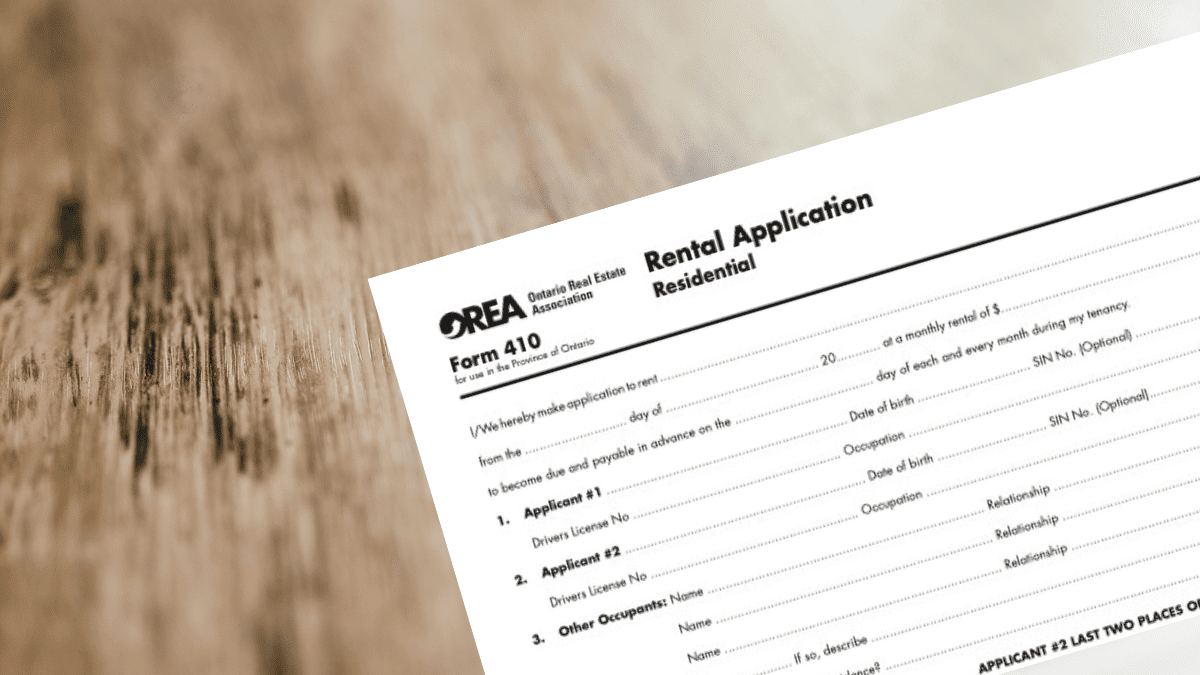
Ontario Lease Clauses That Hold Up at the Landlord and Tenant Board
Written by the Keith & Françoise Real Estate Team, eXp Realty Brokerage. Françoise Pollard, Sales Representative, and Keith Goldson, Broker, work with landlords, tenants, and property investors across the GTA and Niagara Region.
Key Takeaway
Ontario lease clauses are only enforceable if they are consistent with the Residential Tenancies Act, 2006. Landlords can add clauses in the Additional Terms section to clarify logistics and shared responsibilities. Any clause that removes a right under the RTA carries no legal effect.
On This Page
Most lease disputes at the Landlord and Tenant Board (LTB) don’t start with bad behaviour. They start with bad clauses. A landlord adds a term that seems reasonable. Both parties sign. Months later the clause turns out to carry no legal weight because it conflicts with Ontario’s tenancy legislation.
This article is part of our leasing in Ontario guide. It covers which clauses hold up at the LTB, which ones fail, and how landlords can draft terms that survive a challenge.
How additional terms work in the Ontario Standard Lease
The Ontario Standard Form of Lease contains 15 mandatory sections that neither party can alter. These cover the basics: party names, rent, payment terms, included services, and key legal information.
Section 15 of the Standard Lease is where landlords and tenants can add additional terms specific to their tenancy. This section exists to accommodate the practical realities that differ from property to property, such as utility responsibilities, parking arrangements, snow removal, and use of shared spaces.
Section 4 of the RTA contains the critical rule: any lease term that conflicts with the Act carries no legal weight. This applies even when both parties willingly signed the clause. A void clause does not cancel the rest of the lease. That specific term simply has no effect.
Can a landlord add any terms to the Standard Lease?
Yes, but only terms that do not conflict with the Residential Tenancies Act. Clauses that describe logistics, clarify shared responsibilities, or set expectations about the use of the property are generally acceptable. Clauses that attempt to limit tenant rights, impose prohibited fees, or override protections built into the Act are void regardless of what the tenant agrees to at signing.
Lease clauses that are generally enforceable
Clauses that describe how something works, rather than removing a tenant’s right, tend to hold up at the LTB. These clauses succeed because they fill gaps the Standard Lease does not cover, without overriding any protections in the RTA.
Utility responsibilities. A clause that specifies how utility costs divide between landlord and tenant holds up as long as it reflects a genuine arrangement and does not reduce the lawful rent. For example, a clause stating that the tenant is responsible for hydro and the landlord covers water and gas sets a clear expectation both parties can refer back to.
Smoking rules. The RTA does not specifically address smoking inside a rental unit. Landlords can include a clause prohibiting smoking inside the unit or on the balcony. The LTB generally treats these as enforceable, especially when both parties agree before the tenancy starts.
What about parking, maintenance, and key clauses?
Parking and storage allocation. A clause that describes which parking space belongs to the tenant, how visitor parking works, and the rules for storage lockers or shared garage space is enforceable. These clauses work because they describe a logistical arrangement, not a legal right.
Snow removal and lawn maintenance. A clause assigning the tenant responsibility for shovelling walkways or mowing the lawn is enforceable when it reflects a genuine agreement and the tenant receives a benefit, such as a reduction in rent. These clauses are common in single-family home rentals.
Key and lock provisions. A clause requiring the tenant to return all keys at the end of the tenancy and specifying that neither party can change locks without the other’s consent holds up. The landlord can also collect a refundable key deposit equal to the actual replacement cost.
Notice delivery method. A clause confirming that both parties agree to send and receive notices by email is enforceable and practical, as it creates a paper trail both sides can reference.
Clauses that fail at the LTB
These clauses appear in leases regularly across the GTA and Niagara Region. The RTA voids each of these, regardless of whether the tenant signed voluntarily.
“No pets” clauses. Section 14 of the RTA makes pet prohibition clauses void. A landlord can ask about pets during the application process and decline an applicant who discloses a pet, but once the tenancy begins, no one can enforce a no-pet clause. The exception is a condo where the corporation’s declaration or bylaws restrict pets. In that case, the condo rules apply because they are independent of the lease.
Damage deposits. Ontario law does not permit damage deposits, pet deposits, cleaning deposits, or any upfront fee beyond last month’s rent and a refundable key deposit. Any clause requiring an additional deposit is void.
Requiring the tenant to pay for landlord repairs. The landlord is responsible for keeping the unit in a good state of repair and in compliance with health, safety, and maintenance standards (RTA s.20). A clause shifting this obligation to the tenant is void. This includes clauses requiring the tenant to pay a “deductible” for maintenance calls.
What about guest restrictions and penalty clauses?
Restricting guests or roommates. A clause prohibiting guests, limiting overnight visitors, or preventing the tenant from having a roommate is void. A tenant has the right to have occupants live with them. The original tenant remains responsible for the behaviour and obligations of any guest or occupant.
Early termination penalties. A clause imposing a financial penalty if the tenant breaks the lease early is void. The landlord’s remedy for early termination is through the LTB, not through a contractual penalty clause.
Mandatory post-dated cheques. A landlord can ask for post-dated cheques, but cannot require them as a condition of the tenancy. A clause making the lease conditional on providing post-dated cheques is unenforceable.
For a detailed breakdown of each void clause category, see our companion guide on illegal lease clauses in Ontario.
Grey area clauses that depend on context
Some clauses fall between clearly enforceable and clearly void. Whether these clauses hold up often depends on how they are written, whether the arrangement is genuinely agreed upon, and how the LTB member interprets them.
Can a landlord include a clause about renter’s insurance?
The RTA does not give landlords authority to require content insurance (renter’s insurance), so this clause is generally unenforceable. However, a clause requiring liability insurance has a stronger legal basis because it protects the landlord’s property and other tenants. In practice, many landlords include this clause and most tenants comply voluntarily, but enforcement at the LTB is inconsistent.
Air conditioning seasonal charges. A clause adding a seasonal rent increase for air conditioning service is enforceable if both parties agree to it as part of the lease terms. The Standard Lease specifically contemplates this arrangement in the rent section.
Barbecue restrictions. A clause restricting barbecue use on balconies may or may not be enforceable depending on the source. If the restriction comes from the condo corporation’s rules or local fire code, it holds up. If the landlord simply prefers no barbecues, it is harder to enforce.
Subletting terms. A tenant has the right to request to sublet or assign the lease. The landlord can set reasonable conditions, and consent cannot be unreasonably withheld (RTA s.95). A clause that prohibits subletting outright is void, but a clause that requires the tenant to obtain the landlord’s written consent before subletting is consistent with the Act and enforceable.
How to write clauses that hold up
The strongest additional terms share a few common characteristics. They describe responsibilities rather than restrict rights. The language is plain and specific. And they do not contradict anything in the first 14 sections of the Standard Lease or the RTA itself.
Before adding any clause to the Additional Terms section, test it against this question: does this clause remove a right the tenant has under the RTA, or does it clarify how something works? If it removes a right, it will not hold up. If it clarifies logistics, it likely will.
Clauses should also be specific. A vague term like “tenant agrees to maintain the property” is harder to enforce than “tenant agrees to shovel snow from the front walkway and driveway within 24 hours of snowfall, in exchange for a $50 per month rent reduction.” The more specific the clause, the easier it is for both parties to know whether it has been followed.
Should a landlord have additional terms reviewed before signing?
Yes. Having a paralegal or lawyer review your additional terms before signing is one of the most cost-effective steps a landlord can take. A brief review can identify clauses that are void, rewrite unclear language, and confirm that the terms are consistent with the current version of the RTA. This is especially important for landlords who are using clauses copied from older leases or online templates.
Condo-specific lease clauses
Leases for condo rental units operate under two sets of rules: the RTA and the condo corporation’s declaration, bylaws, and rules. Where the two overlap, both apply. Where the condo rules are stricter than the RTA on certain topics, the condo rules may override the general RTA position.
The most common example is pet restrictions. While a “no pet” clause in a standard residential lease is void under the RTA, a condo corporation that has passed bylaws or rules restricting certain pets can enforce those restrictions through the corporation. Landlords renting a condo unit should add a clause requiring the tenant to follow all condo rules. They should also give the tenant a copy of those rules before signing.
What other condo clauses should landlords include?
Other common condo-specific clauses cover noise and quiet hours, use of common areas and amenities, move-in and move-out procedures, balcony restrictions, and guest parking. These clauses hold up because the corporation’s governing documents back them, not just the landlord’s personal preference.
For the full picture on renting a condo, see our guide to renting a condo in Ontario.
Frequently Asked Questions
Not through a lease clause. Occupancy limits are set by municipal bylaws, not the landlord. A clause capping the number of occupants will not hold up at the LTB unless it reflects a genuine municipal overcrowding standard.
A clause requiring professional cleaning at the tenant’s expense is likely unenforceable. The RTA requires the tenant to maintain ordinary cleanliness, but it does not permit the landlord to impose specific cleaning standards or costs beyond that statutory duty.
Yes. The RTA does not cap the length of a fixed-term lease. A two-year or three-year term is enforceable. However, the same renewal rules apply at expiry: the tenancy continues month-to-month, and the landlord cannot force a new lease.
Yes. Under the RTA, the landlord must provide the tenant with a copy of the signed lease within 21 days. If the landlord does not provide one, the tenant can withhold up to one month’s rent until the copy is received.
A clause restricting painting, wallpaper, or hanging items is generally unenforceable. The tenant has a right to reasonable enjoyment of the unit. The landlord’s remedy is through ordinary wear and tear provisions at the end of the tenancy, not through a restrictive clause.
Keith & Françoise Real Estate Team
eXp Realty Brokerage · GTA & Niagara Region
We work with landlords and property investors across the GTA and Niagara Region who want their leases to hold up. Whether you’re drafting new terms or reviewing an existing lease, we help you understand what Ontario law will enforce.
Not Sure If Your Lease Clauses Will Hold Up?
Many lease disputes start with a clause the landlord should never have included. We help landlords review their additional terms before they become a problem at the LTB.
Book a ConversationLandlord-tenant rules, lease terms, and enforcement outcomes vary by property type, location, and timing. This guide reflects our experience working with landlords, tenants, and property investors across Ontario, particularly in the GTA and Niagara Region. For advice specific to your situation, consult a qualified real estate professional, licensed paralegal, or lawyer before making decisions.