

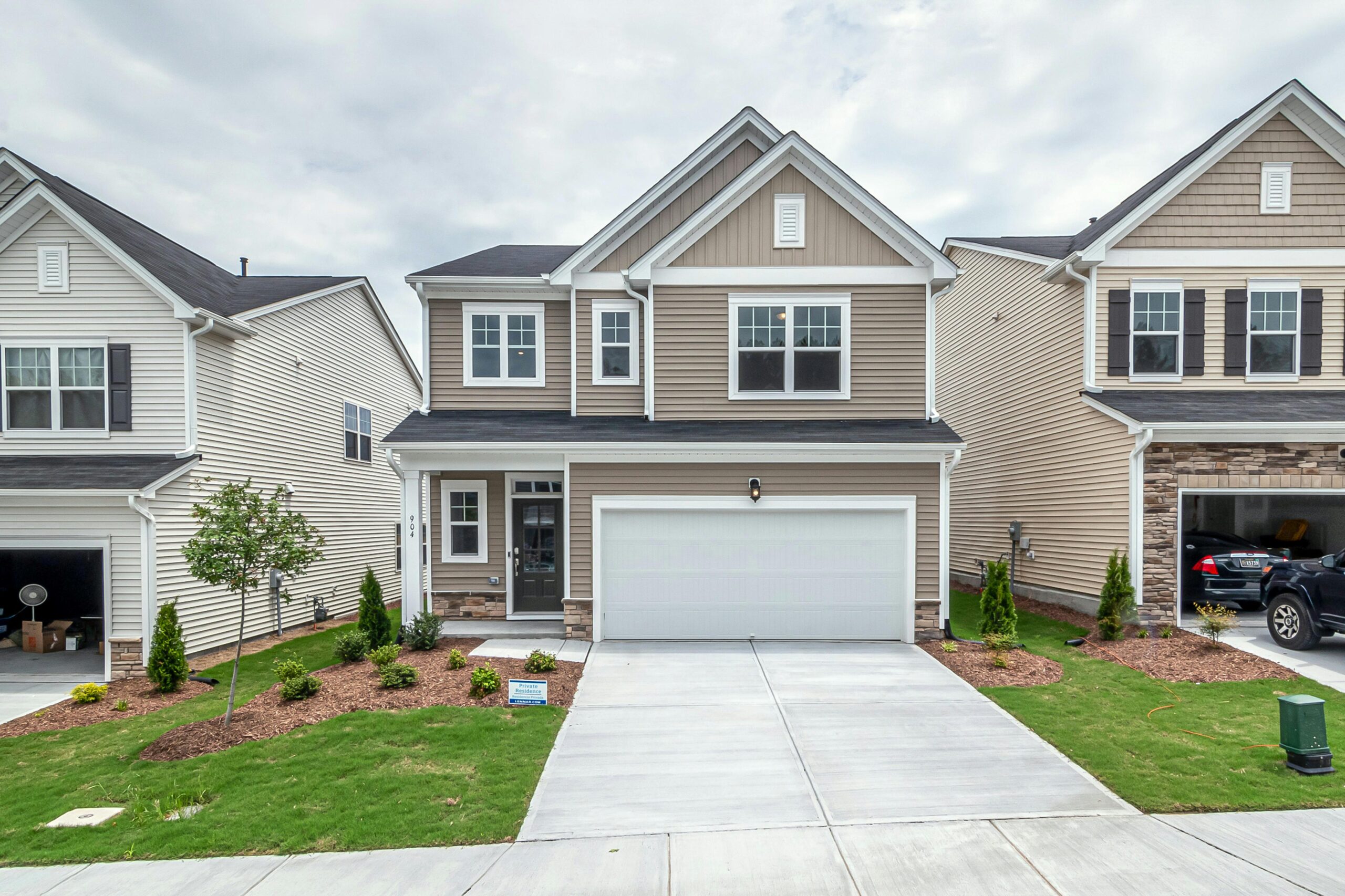
Why Homes Don’t Sell in the GTA and Niagara Region
Updated: February 2026
By Françoise Pollard, Sales Representative, and Keith Goldson, Broker, eXp Realty Brokerage. Serving the GTA and Niagara Region.
Key Takeaway
Most homes that don’t sell in the GTA and Niagara Region fail for identifiable, fixable reasons. Overpricing tops the list, but poor presentation, restricted access, weak photography, incorrect timing, and agent-related issues all contribute. Understanding the pattern behind a stalled listing is the first step toward correcting it.
On This Page
A home that sits on the market without offers isn’t a mystery. In almost every case, the reason falls into one of a few well-documented categories. And the solution becomes clear once you identify the actual problem.
In the GTA and Niagara Region right now, the conditions that lead to unsold listings are more common than they were a few years ago. Inventory has climbed, buyers approach each decision with caution. And the margin for error on pricing and presentation has thinned considerably since before the pandemic. TRREB data from January 2026 shows active listings at their highest levels in over a decade, while sales remain well below historical averages. That means more homes compete for fewer buyers, and the ones that fail to stand out get left behind.
This article breaks down why homes don’t sell in the GTA and Niagara Region, with specific patterns we see across the markets we serve. For the full context on how the selling process works, see our guide to selling a home in Ontario.
Overpricing: The Most Common Reason Homes Sit
Pricing is the single biggest factor in whether a home sells or stalls. And in 2026, overpricing punishes sellers more than at any point in the last five years.
During the pandemic-era market of 2020 and 2021, sellers could price aggressively and still attract multiple offers. That dynamic has reversed entirely. Buyers today are researching comparable sales before they book showings. They know what similar homes have sold for. If your listing is priced even 5% above recent comparable sales, serious buyers on Realtor.ca may never see it in their search results.
How overpricing creates a downward spiral
The most damaging aspect of overpricing isn’t the initial lack of offers. It’s what happens over time. Buyer interest is highest during the first 7 to 14 days a listing is active on MLS. If the price is wrong during that window, the home misses its peak exposure period. Every week it sits unsold after that, buyer perception shifts. Agents start asking, “What’s wrong with this one?” Buyers assume the worst.
Eventually, the seller reduces the price. But by then, the listing has accumulated days on market, and every buyer can see the price reductions. The result: the home often sells for less than it would have with correct pricing from day one. We see this pattern regularly in Brampton, Mississauga. And across the 905 belt, and we’ve watched it intensify through late 2025 and into 2026.
For a detailed look at how to get pricing right from the start, including how Comparative Market Analyses work and when different pricing strategies apply, see our article on choosing the right pricing strategy when selling a home.
How can you tell if your home is overpriced?
The clearest signal is showing activity. If your home has sat on market for two or more weeks with consistently low showings relative to similar properties, price is almost certainly the issue. You’re not attracting the buyers who are active in your price range because the number doesn’t match what comparable sales support.
If showings are happening but no offers are materializing, the problem is more likely presentation, condition, or a mismatch between what the listing promises and what the buyer experiences in person. Both problems are solvable, but they require different corrections.
Presentation Problems That Turn Buyers Away
After pricing, the second most common reason for stalled listings is how the home presents, both online and in person. Buyers make quick decisions. Research from the National Association of Realtors consistently shows that most buyers form a strong impression within the first few seconds of viewing a listing online. And within the first minute of walking through the front door.
Photography that doesn’t do the home justice
Poor listing photos are one of the most avoidable mistakes in real estate. Dark, blurry, or poorly composed images cause buyers to skip past the listing entirely. In a market with high inventory, your listing photos are the first (and sometimes only) chance to get a buyer’s attention. Professional photography with proper lighting, wide-angle lenses, and thoughtful composition isn’t optional. It’s the minimum standard in the GTA and Niagara Region.
We’ve seen listings where the photos showed cluttered rooms, unmade beds, and laundry baskets in frame. Those listings sat for weeks. The homes weren’t the problem. The photos were.
Clutter, personal items, and deferred maintenance
Buyers need to see themselves in the space. Family photos, religious items, collections, and excessive furniture all make that harder. The goal during showings: present a clean, neutral environment where buyers focus on the home’s layout, light, and features.
Deferred maintenance is equally problematic. A leaking faucet, stained ceiling, or cracked tile might seem minor to the seller. But to a buyer, those details signal potential larger issues. Buyers in 2026 are already cautious about committing to a major purchase. Visible maintenance concerns give them a reason to move on to the next listing.
Does staging actually help sell a home?
Yes, and the impact grows stronger in a buyer’s market. A staged home photographs better, shows better, and gives buyers a visual anchor for how the space functions. Vacant homes present a particular challenge because empty rooms look smaller and give buyers no sense of scale or livability.
We include one month of professional staging with every seller listing because the data and our experience both support it. For more on how staging affects outcomes, see our article on whether professional home staging is worth it when selling.
Access and Showing Issues
A home can’t sell if buyers can’t see it. This sounds obvious, but restricted showing access is a surprisingly common factor in stalled listings, especially for tenant-occupied properties and homes where the seller is still living in the space.
Tenant-occupied properties
In Ontario, tenant access for showings requires 24 hours’ written notice under the Residential Tenancies Act. The Real Estate Council of Ontario (RECO) also requires that listing agents coordinate showings in a way that respects both tenant rights and the seller’s interest in selling the property. Some tenants cooperate fully, while others make access difficult. If the property isn’t clean, is cluttered with the tenant’s belongings, or has odour issues during showings, buyer interest drops sharply. In the worst cases, tenants may refuse showings entirely, which can bring the listing process to a standstill.
Sellers listing tenant-occupied properties in the GTA need to plan for these challenges well before the listing goes live. Clear communication with tenants, reasonable showing schedules. And sometimes a financial incentive for cooperation can make the difference between a sale and a failed listing.
Overly restrictive showing schedules
Some sellers limit showings to specific days or narrow time windows. In a competitive inventory environment, this is a disadvantage. Buyers and their agents often schedule showings in clusters. If your home isn’t available when they’re in the area, they move on. Flexible access matters most during the first two weeks, when buyer interest peaks.
Marketing That Doesn’t Reach the Right Buyers
A listing that exists on MLS but goes no further is a listing that’s relying on passive exposure. In a market with thousands of active listings across the GTA, that’s not enough.
What effective listing marketing looks like
Effective marketing starts with professional photography and extends to video tours, floor plans, social media promotion, targeted digital advertising, and agent-to-agent networking. The specific approach depends on the property type and target buyer. A detached home in Oakville targeting families with school-aged children requires a different marketing approach than a condo in downtown Toronto targeting young professionals or a bungalow in St. Catharines targeting downsizers from the GTA.
If your home isn’t selling and marketing has been limited to an MLS listing with photos and a basic description, limited visibility may explain the lack of interest, not the property itself.
Wrong target market
Some listings fail because the marketing doesn’t reach the buyer profile most likely to purchase the home. The agent markets an investor property to families. A Niagara Region home with strong appeal to GTA relocators doesn’t reach buyers outside the local market. Matching the marketing to the actual buyer pool is a fundamental part of the listing strategy. And when it’s missed, the listing suffers.
Different Patterns in the GTA vs. Niagara Region
The reasons homes don’t sell vary by market, and the GTA and Niagara Region have distinct patterns worth understanding.
GTA-specific challenges
In the GTA, especially in Brampton, Mississauga. And parts of Etobicoke and Toronto, the biggest factor right now is inventory volume. There are simply more homes available than there are active buyers. In this environment, any weakness in pricing, presentation, or marketing shows up quickly because buyers have alternatives.
Condos face a separate challenge. Investor-owned units in Toronto’s downtown core now compete with new construction inventory and a growing number of landlords converting unsold listings to rentals. Condo sellers need to be aware that their competition isn’t limited to other resale units.
Niagara Region dynamics
In St. Catharines, Niagara Falls, and the broader Niagara Region, the buyer pool is different. Retirement buyers and GTA relocators make up a significant portion of demand. And their search patterns differ from young families or first-time buyers in the 905 belt. Seasonal patterns also play a bigger role. Listing a property in Niagara during the winter months often means a smaller buyer pool, particularly for lifestyle-oriented properties near the escarpment or along the Welland Canal.
The marketing strategy for a Niagara listing should reflect these realities. Reaching GTA-based buyers requires digital promotion that extends beyond the local market. This is because the buyer for your home in Port Dalhousie may be living in Burlington right now. For a broader comparison of the two markets, see our article on GTA vs. Niagara home search tips.
What to Do When Your Home Isn’t Selling
If your listing has stalled, the path forward starts with an honest assessment. The most productive question isn’t “Why won’t buyers make an offer?” It’s “What would we change if we were listing this home for the first time today?”
Review the data
Start by looking at the numbers. How many showings has the listing had relative to comparable properties? What feedback have buyers’ agents provided? How does your price compare to homes that have actually sold (not just listed) in your area during the last 60 days? If your agent can’t provide this data or hasn’t reviewed it with you, that’s a problem in itself.
Consider a price adjustment
If showing activity has stayed low, you likely need a price correction. The adjustment should be meaningful enough to bring the listing into alignment with current comparable sales, not a token $10,000 reduction that signals uncertainty. For guidance on how to approach pricing adjustments, see our article on pricing strategy.
Reassess presentation and marketing
If showings have come in at a decent pace but offers haven’t followed, presentation likely needs attention. New photography, staging, or addressing a condition concern that buyers have flagged could shift the dynamic. A fresh marketing push, especially if the original campaign was limited, can also put the listing back in front of buyers who skipped it the first time.
Should you take your home off the market and relist?
Sometimes. Relisting resets the days-on-market counter and can give the appearance of a fresh listing. But relisting alone doesn’t solve the underlying problem. If the price was wrong, relisting at the same price produces the same result. If the photos were poor, relisting with the same photos wastes the second chance.
A relist works best when combined with genuine changes: a meaningful price adjustment, improved staging, new photography, or a shift in marketing approach. The goal is to re-enter the market as a genuinely improved listing, not just a recycled one. For the full view of how selling works in Ontario, including timing considerations and how to evaluate offers when they do arrive, see our complete guide to selling a home in Ontario.
Frequently Asked Questions About Why Homes Don’t Sell
There’s no fixed number, but if a home has been listed for more than 30 days without a serious offer, the listing strategy needs to be re-evaluated. In the current market, well-priced and well-presented homes in the GTA typically receive showing activity within the first two weeks.
It depends on what’s causing the problem. If the issue is pricing, a new agent won’t fix it unless the price is corrected. But if marketing has been limited, photography is poor, or communication has broken down, working with a different team can make a meaningful difference.
A price reduction can carry stigma because it’s visible to all agents and buyers. However, leaving a home overpriced for weeks causes more damage than a timely, well-calibrated adjustment. One meaningful reduction is better than multiple small cuts over months.
Frequent showings with no offers usually indicate a gap between what buyers expect from the listing photos and what they find in person. Common causes include condition issues not visible in photos, layout problems, odour, noise from nearby roads or construction, or a price that’s just above what the condition supports.
That depends on how long the listing has been active and what needs to change. A price reduction keeps the listing history intact. A relist resets days on market but should only be done alongside meaningful improvements like new photos, staging, or a corrected price. Relisting at the same price with the same marketing rarely changes the outcome.
Waiting too long to make changes. The longer a listing sits unsold, the harder it becomes to generate fresh buyer interest. Sellers who address pricing or presentation issues early tend to recover faster than those who wait months before making adjustments.
Keith & Françoise Real Estate Team
eXp Realty Brokerage · GTA & Niagara Region
Françoise Pollard, Sales Representative, and Keith Goldson, Broker, work with sellers across Brampton, Mississauga, Milton, Burlington, Oakville, Hamilton, Etobicoke, Toronto, St. Catharines, and Niagara Falls. We help homeowners understand why a listing has stalled and what specific steps will change the outcome.
Home Not Selling? Let’s Figure Out Why.
We’ll review your listing, identify what’s holding it back, and give you a clear plan to move forward. No obligation.
Get a Listing ReviewMarket conditions, pricing strategies, and buyer competition vary by location, property type, and timing. This guide reflects our experience working with buyers and sellers across Ontario, particularly in the GTA and Niagara Region. For advice specific to your situation, speak with a qualified real estate professional before making decisions.