

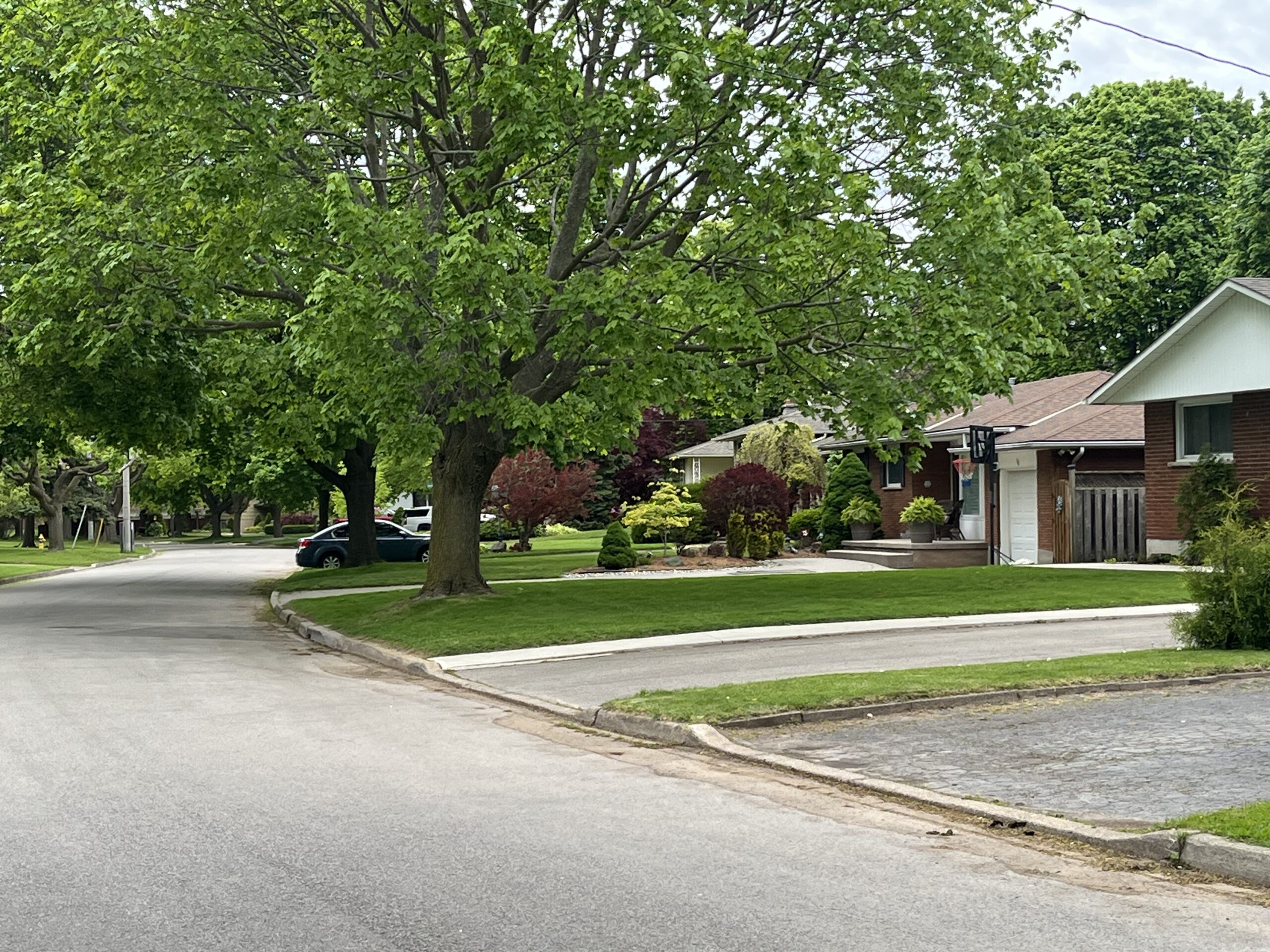
How to Downsize Without Leaving Your Community
Updated: February 2026
By the Keith and Françoise Real Estate Team, Ontario REALTORS®, with eXp Realty Brokerage. We help homeowners across the Greater Toronto Area and the Niagara Region downsize while balancing timing, housing availability, and neighbourhood priorities.
Key Takeaway
Downsizing without leaving your community is possible in Ontario, but it is usually more constrained. Limited housing types, timing mismatches, and pricing pressure are the main challenges. The key is confirming what is realistically available before setting firm expectations.
Many Ontario homeowners want to downsize but stay close to family, familiar routines, schools, and the neighbourhood they know. That goal is reasonable, but it often narrows inventory and changes how you plan timing.
This page focuses on the staying-local constraint. For the full downsizing framework and decision sequence, start with Downsizing in Ontario.
Why staying local limits downsizing options
In many Ontario neighbourhoods, housing stock is not evenly distributed across sizes and layouts. Detached homes may dominate, while bungalows, smaller freeholds, and low-rise condos are limited. Statistics Canada housing data shows that dwelling types vary significantly by community, which helps explain why suitable downsizing options are often scarce. Statistics Canada.
Housing types that tend to be scarce
Downsizers who want to stay within one community often compete for a small pool of listings. The most common shortages include:
- Bungalows and other single-level homes
- Townhomes with minimal stairs
- Low-rise condos with manageable fees
- Smaller detached homes in the same school zone
If your target category is limited, waiting for the “perfect” listing can extend timelines. This is why staying local usually requires either flexibility or patience.
Timing issues that come up when you downsize locally
Staying local can create a timing mismatch. You may be ready to sell your current home, but the right replacement might not appear quickly, or it may be priced above what you expected. This is one reason many downsizers consider selling first, or using a short-term rental, even if they plan to buy back into the same area.
Pricing expectations and competition
Homes that suit local downsizers often attract strong interest. Smaller properties in established neighbourhoods are not always cheaper, especially when demand outweighs supply. Assuming a price drop simply because a home is smaller is a common source of frustration.
The trade-offs most homeowners face
Downsizing without leaving your community often involves trade-offs. These may include:
- Accepting a different layout than you expected
- Expanding your timing window
- Paying a premium for limited inventory
- Using a short-term rental to reduce timing pressure
Clarifying which trade-offs are acceptable early helps avoid rushed decisions later.
A quick Ontario nuance that many people miss
Staying in the same community often means you are buying into the same pricing environment you are selling in. That can work in your favour, but it also means “downsizing” may not feel like a large price drop if smaller homes are scarce. The better test is not square footage. It is whether the next home improves your monthly costs, your upkeep, and your day-to-day fit.
If you want to compare these decisions within the full downsizing plan, return to Downsizing in Ontario.
What usually comes next
Once homeowners understand what is realistic locally, the next step is deciding whether to wait, adjust criteria, or expand the search radius slightly. That decision affects timing, pricing strategy, and whether selling first makes sense.
Frequently Asked Questions
Yes, but it is often more constrained. Many Ontario neighbourhoods have limited housing types suitable for downsizers, which can affect availability, timing, and pricing.
Most communities were built with a narrow range of housing sizes. Smaller homes, bungalows, and low-rise condos are often in short supply, which limits options for homeowners who want to stay local.
No. Smaller homes in established neighbourhoods can be in high demand, and prices do not always drop simply because a property has less square footage.
Expanding the search area can make sense when local inventory is too limited, timelines become restrictive, or pricing no longer aligns with the goals of downsizing.
LOCAL DOWNSIZING WORKS BEST WITH REALISTIC OPTIONS
If staying in your community matters, understanding inventory, timing, and pricing early can prevent delays. We can help you evaluate what is realistic before you commit to dates.
Disclaimer: This page is provided for general information only and does not constitute legal or financial advice. Real estate outcomes depend on market conditions, property availability, and individual circumstances.